
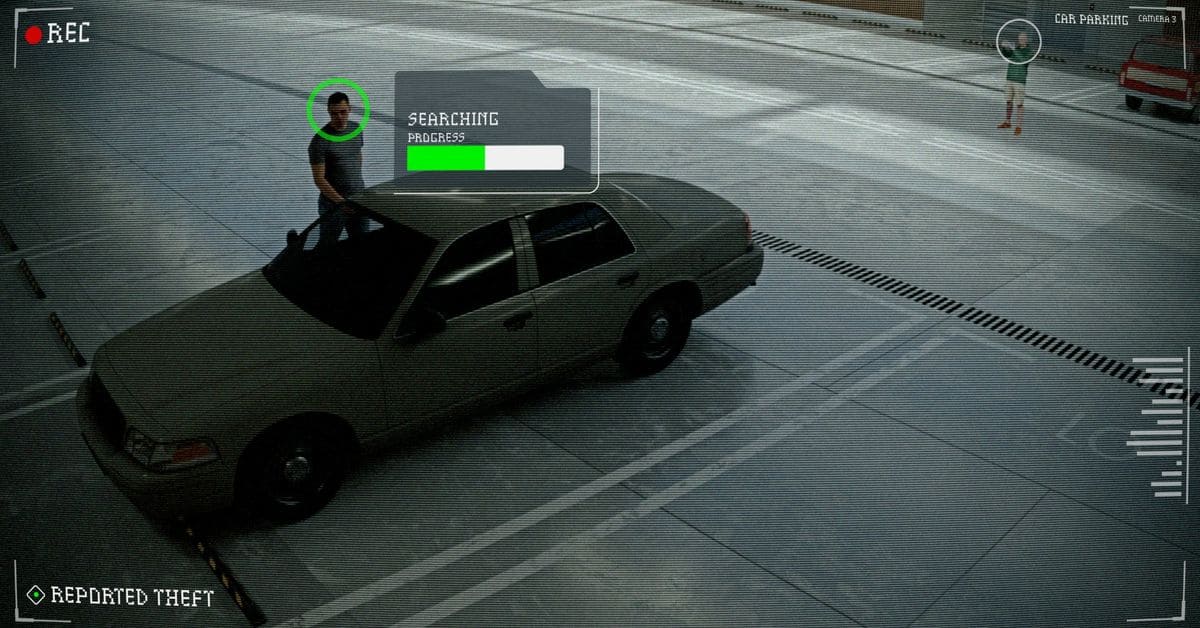
Security doesn’t stop at the front door. Parking lots, gates, loading yards, and building perimeters all need cameras and access control. Each of those devices needs a network connection that can survive Texas weather. Outdoor network cabling Dallas businesses install faces heat, rain, flooding, and lightning. Indoor methods won’t hold up out there. This guide covers the cable, pathways, and protection you need for outdoor runs that last.
What Outdoor Runs Usually Support
In fact, most commercial sites have more outdoor devices than owners expect. Common examples include:
- Parking lot and perimeter cameras on poles or walls
- License plate recognition cameras at entry lanes
- Gate operators, card readers, and intercoms
- Guard shacks and outbuildings that need network access
- Outdoor Wi-Fi for yards, patios, or campus walkways
- EV chargers and digital signs
Each of these needs a solid link back to a telecom room, which is why outdoor network cabling Dallas planning starts with a full device list. And many of them run on PoE, so the cable carries power as well as data.
Choose Cable Built for Outdoor Network Cabling Dallas Weather
Standard indoor cable fails fast outside. Its jacket breaks down in sunlight, and water can wick into the core. Over time, that means slow links, dropped cameras, and repeat service calls.
Instead, outdoor network cabling Dallas projects should use cable rated for the job:
- UV-resistant jackets that hold up in direct Texas sun
- Water-blocking designs, with gel or dry tape, that keep moisture out of the core
- Direct burial ratings when cable runs underground without conduit
- Indoor/outdoor ratings where the same cable must enter the building
That last point matters for code. Electrical code limits how far outdoor-only cable can run inside a building. After that point, it must change to an indoor-rated type. A good installer plans that transition point from the start.
Copper or Fiber for Outdoor Runs?
Copper Ethernet has a 100-meter limit. On a large parking lot, many poles sit well beyond that from the building. In addition, long copper runs between buildings can carry lightning surges and ground problems right into your network.
Fiber solves both issues. It reaches much farther, and glass doesn’t conduct electricity. Therefore, many outdoor designs run fiber to a weatherproof cabinet on a pole or wall. A small switch inside the cabinet then powers nearby cameras over short copper runs.
For short runs close to the building, outdoor-rated Cat6 or Cat6A usually works well. For long runs or links between buildings, fiber is the safer choice for outdoor network cabling Dallas sites.
Pathways for Outdoor Network Cabling Dallas Sites Need
How the cable gets there matters as much as the cable itself. In practice, pathway mistakes cause most outdoor failures.
Underground Conduit
Today, most parking lot runs go underground in PVC conduit. Conduit protects the cable from shovels, roots, and future work. It also makes replacement much easier later. Plan pull boxes at turns and long stretches, and use wide sweeps instead of tight bends.
Call Before You Dig
Texas law requires a utility locate request before digging. Texas 811 handles those requests. Skipping this step can damage gas, power, or water lines and create serious safety risks.
Water Management
Underground conduit often fills with water, especially after heavy North Texas storms. So use cable rated for wet locations and seal conduit ends. Also add drip loops where outdoor network cabling Dallas crews bring cable into boxes or cabinets.
Our guide to cable pathway systems covers indoor and outdoor pathway options in more detail.
Lightning and Surge Protection for Outdoor Network Cabling Dallas Sites
North Texas gets frequent thunderstorms. A single lightning strike near a pole can send a surge down a copper cable. That surge can destroy cameras, switches, and anything else on the line.
That’s why outdoor network cabling Dallas sites install needs surge protection at both ends of copper runs. Many designs add PoE-rated surge protectors at the device and at the building entrance. In addition, the electrical code calls for protectors on certain copper circuits that enter a building from outside.
Still, surge protectors only work when they connect to a proper ground. Our post on grounding and bonding explains why that link matters. The NFPA, which publishes the National Electrical Code, sets the baseline rules for these systems.
Enclosures and Heat
Next, outdoor switches, power supplies, and media converters need sealed cabinets. Look for enclosures rated for rain, dust, and sun. Then think about heat. A closed metal box in a Dallas summer can get very hot inside.
For that reason, pick gear rated for high temperatures. Some cabinets also need vents, fans, or sun shields. Mount them where crews can reach them safely for service.
Plan Power Early
PoE handles power for many devices. However, it doesn’t cover all of them. Gate operators, heaters, and some long-range cameras need their own power. Poles with fiber cabinets also need power for the switch inside.
So coordinate your outdoor network cabling Dallas plan with your electrician early. Running power and data in the same trench, in separate conduits, can save money compared to two separate digs. Manufacturers like CommScope also offer hybrid cables that carry fiber and power together for some outdoor designs.
Common Outdoor Cabling Mistakes
We often get called to fix outdoor runs that failed early. The same causes show up again and again.
- Indoor cable in conduit. It looks fine at first, then fails once water sits in the pipe.
- Copper past 100 meters. Cameras drop off or reboot at random.
- No surge protection. One storm takes out a whole row of cameras.
- Shallow or open trenches. Later work cuts the cable.
Each of these costs more to fix than to prevent. So build protection into the first design of any outdoor network cabling Dallas project.
Questions to Ask Before Outdoor Work Begins
- Is every cable rated for outdoor, wet, or direct burial use as needed?
- Which runs exceed 100 meters, and will they use fiber?
- Where will outdoor cable change to indoor-rated cable?
- What surge protection and grounding will each copper run have?
- Do outdoor cabinets have the right ratings and heat control?
- Has someone requested utility locates before digging?
The Bottom Line
Outdoor devices protect your property, but only if their cabling survives. Outdoor network cabling Dallas businesses rely on needs the right cable, protected pathways, surge protection, and weatherproof gear. Doing it right the first time saves repeat repairs after every storm.
At Just Cabling, our team provides structured cabling and fiber installation across Dallas-Fort Worth for cameras, gates, and campus links. If you’re planning a project in Plano, Frisco, McKinney, Allen, Las Colinas, or Irving, request a free on-site assessment. We’ll walk your site and provide a written scope before any work begins.
Just Cabling is a Dallas-based structured cabling company serving businesses across the DFW metroplex, including Plano, Frisco, McKinney, Allen, Las Colinas, Irving, and beyond. We specialize in commercial structured cabling, fiber optic installation, and network infrastructure for offices, medical facilities, warehouses, and corporate campuses.