
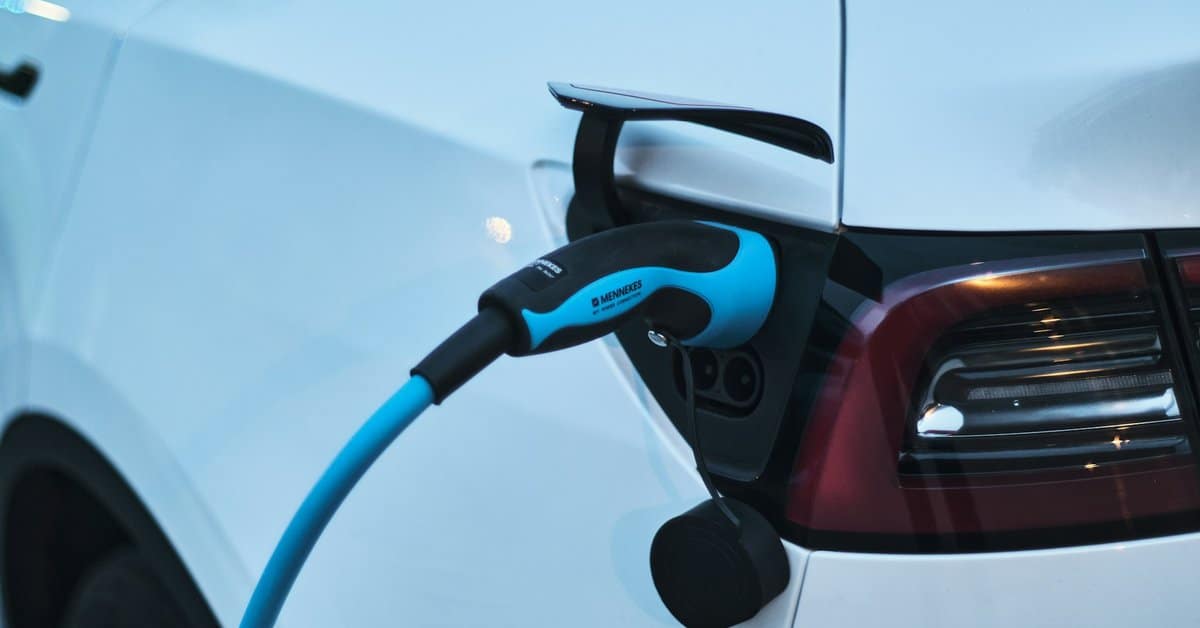
Electric vehicle chargers are showing up across DFW parking garages, corporate campuses, and multifamily properties faster than most facility plans expected. Each charger needs more than an electrical connection. It needs network connectivity. EV charging station cabling is quickly becoming a standard line item on Dallas commercial projects. It’s a scope that’s easy to underestimate if nobody plans it alongside the electrical work from the start.
This guide covers why EV chargers need structured cabling. It also covers what that infrastructure actually involves, and how to plan for it on a DFW property.
Why EV Charging Station Cabling Needs a Network Connection
Modern commercial EV chargers do far more than deliver electricity. Networked chargers report usage data. They handle payment processing for public or tenant billing. They support remote diagnostics and firmware updates. Many also integrate with a building’s broader energy management system to balance charging load against overall electrical capacity. None of that functionality works without a reliable network connection back to a central switch or gateway.
A charger with no network connection can still deliver power. But it can’t bill for usage. It can’t get monitored remotely when it fails. And it can’t participate in load management. That becomes a real problem when a parking structure has more chargers than the electrical service was originally designed to support at once.
Cabling Considerations Specific to Parking Structures
Parking garages and outdoor lots create physical conditions a typical office cabling project never has to handle. Cable runs often face temperature extremes, moisture, and vibration from vehicle traffic. That means projects frequently need outdoor-rated or industrial-rated cable jackets, not standard commercial-grade cable. Conduit protection matters wherever a vehicle could physically strike an exposed cable run.
Distance also plays a bigger role than in most office cabling scenarios. Charger locations often spread across large parking structures. Sometimes they exceed the 100-meter copper cabling limit when measured from the nearest telecom room or network closet. Where distances run long, fiber connections to distributed network switches positioned closer to the charger clusters solve the distance problem more reliably than stretching copper cabling to its limit.
PoE Isn’t Usually the Power Source — But It Still Matters
EV chargers draw far more power than PoE can deliver. So the charger’s actual power comes from a dedicated electrical circuit, not the network cable. However, many charger network communication modules do run on standard PoE. So do related equipment like parking guidance sensors or camera systems monitoring charging areas. That means the same Cat6A specification used elsewhere in a DFW commercial building applies to this supporting equipment too. Amphenol and TE Connectivity both make the high-power connectors used on the charger side of these installations. Their technical documentation offers a useful reference for understanding how the electrical and network sides of a charger interact.
Planning EV Charging Station Cabling Alongside Electrical Work
The most common mistake on DFW EV charging projects treats cabling as an afterthought to the electrical installation. Teams often add cabling design after conduit paths and charger locations are already set. Coordinating the network cabling design at the same time as the electrical design brings real benefits. Both trades can share conduit runs where code allows. It avoids conflicts between separate contractor timelines. And it lets charger locations account for realistic distance limits back to network equipment, before crews pour concrete or seal conduit into a structure.
Scalability: Planning for More Chargers Than You’re Installing Today
EV adoption in North Texas is accelerating. A parking structure installing eight chargers today may need thirty within a few years, as tenant and employee demand grows. A cabling design that only accounts for the initial charger count often forces disruptive retrofitting later. A design that pulls spare conduit capacity and positions network switches with room for expansion handles future charger additions instead, without tearing into finished parking structure surfaces again.
What This Looks Like on a Real DFW Project
Here’s what a well-planned EV charging station cabling project looks like in DFW. A corporate campus in Frisco installed twelve Level 2 chargers across a covered parking structure. The team coordinated cabling and electrical design from the earliest planning stage. Fiber ran to a distributed switch positioned centrally in the structure, keeping copper runs to individual charger clusters well within distance limits. Crews pulled spare conduit to accommodate twenty additional charger locations identified in the campus’s five-year growth plan. That means future expansion will connect into existing infrastructure, rather than requiring new conduit runs through finished parking surfaces.
Questions to Ask Before Your EV Charging Station Cabling Project Starts
- Is network cabling being planned alongside electrical design, or added afterward as a separate scope?
- Are cable runs and connectors rated for the outdoor or semi-outdoor conditions of the specific parking structure?
- Does the design account for realistic distance limits, using fiber and distributed switches where copper alone would exceed 100 meters?
- Is spare conduit capacity being pulled now to support future charger additions without a disruptive retrofit later?
The Bottom Line
EV charging station cabling is as much a network cabling project as it is an electrical one. DFW properties that plan both scopes together avoid the retrofit costs and distance problems that come from treating cabling as an afterthought. As charger counts across North Texas parking structures keep growing, a scalable cabling design pulled today saves a disruptive re-cable a few years from now.
Our team at Just Cabling coordinates network cabling design alongside electrical scopes for EV charging installations. We deliver structured cabling, fiber optic installation, and network infrastructure built to handle both current and future charger counts. Are you planning an EV charging installation across Plano, Frisco, McKinney, Allen, Las Colinas, or Irving? We offer free on-site assessments and a written scope before any work begins.
Just Cabling is a Dallas-based structured cabling company serving businesses across the DFW metroplex, including Plano, Frisco, McKinney, Allen, Las Colinas, and beyond. We specialize in commercial structured cabling, fiber optic installation, and network infrastructure for offices, medical facilities, and corporate campuses.