
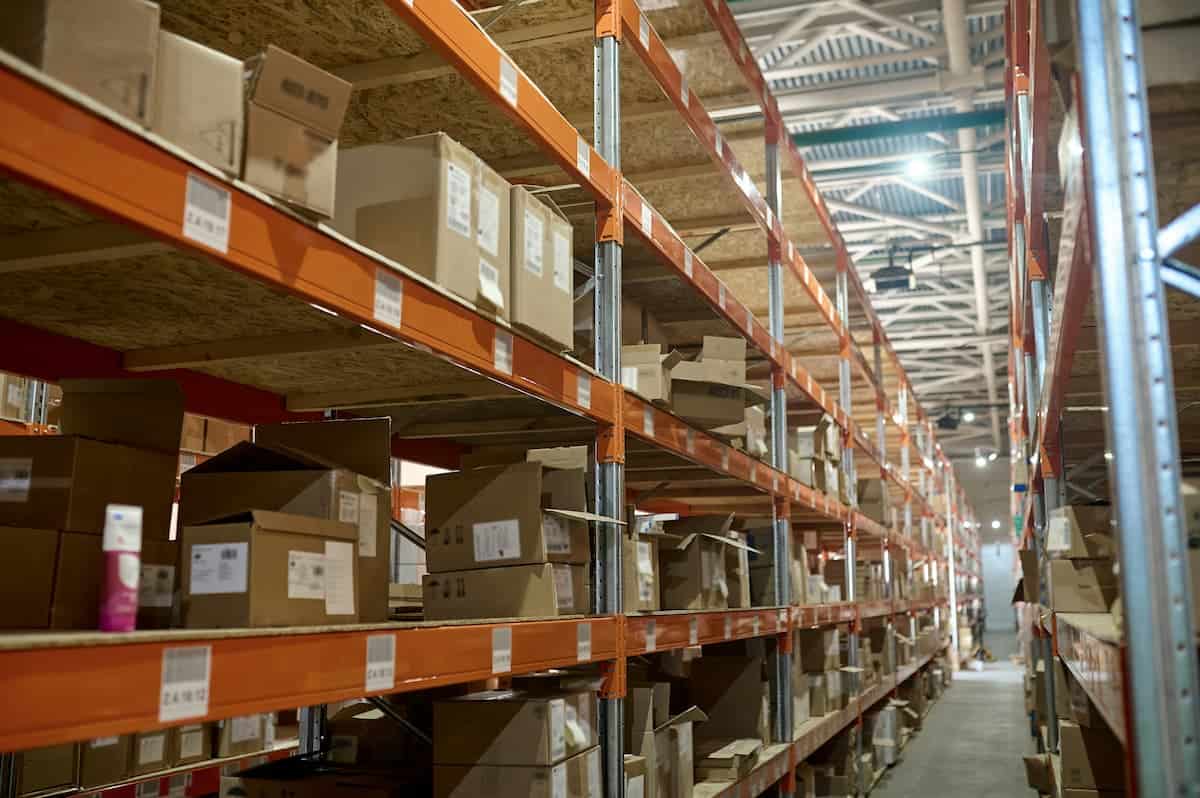
A warehouse or distribution center is one of the most demanding environments you can run network cabling through. Extreme temperatures, high ceilings, heavy machinery, constant foot traffic, and the relentless pressure of keeping operations moving — all of it puts infrastructure demands on your cabling that a standard office installation simply isn’t designed to handle.
For Dallas-Fort Worth warehouse and distribution center owners, getting your cabling infrastructure right from the start isn’t just a technical decision. It’s an operational one. The wrong cabling means Wi-Fi dead zones on the warehouse floor, barcode scanners that drop connection mid-pick, security cameras that go offline, and VoIP phones that crackle or cut out — all of which cost you time, productivity, and money every single day.
Here’s what you need to know before your next cabling project.
The Warehouse Environment Is Unlike Any Other
Standard commercial cabling is designed for climate-controlled office environments. Warehouses are not that. In a Dallas-Fort Worth warehouse, your cabling infrastructure has to contend with:
- Temperature extremes — DFW summers push warehouse temperatures well above 100°F without climate control, and refrigerated distribution centers operate near freezing. Standard cable jackets are not rated for these ranges.
- High ceilings and long cable runs — Warehouse ceilings of 30 to 50 feet are common, and cable runs from your server room to wireless access points or IP cameras at the far end of a 200,000 square foot facility can push the limits of standard Cat6 copper — making fiber optic backbone cabling essential for longer runs.
- Electromagnetic interference (EMI) — Forklifts, conveyor systems, motors, and industrial equipment generate significant electromagnetic interference that can degrade unshielded copper cable performance. Shielded cabling (F/UTP or S/FTP) is often required in high-EMI warehouse zones.
- Physical damage risk — Cables in a warehouse face real physical threats from forklifts, pallet jacks, and heavy equipment. Conduit protection and careful routing planning are non-negotiable.
- Dust and moisture — Outdoor loading dock areas, refrigerated zones, and high-dust environments require cabling components rated for those conditions.
The 4 Critical Cabling Systems Every Warehouse Needs
1. Structured Data Cabling — The Backbone of Your Operation
Everything in your warehouse that connects to a network — computers, tablets, barcode scanners, label printers, time clocks, and management workstations — depends on your structured cabling infrastructure. For most DFW warehouses, this means a fiber optic backbone running from your main server room to intermediate distribution frames (IDFs) positioned strategically around the facility, with Cat6A copper horizontal cabling running from those IDFs to individual network drops.
Cat6A is the current recommended standard for warehouse environments — it supports 10 Gigabit speeds at full 100-meter runs and offers better performance in high-EMI environments than standard Cat6.
2. Wireless Access Point Cabling
In a warehouse, Wi-Fi isn’t a convenience — it’s an operational requirement. Your handheld scanners, mobile computers, and RF-based warehouse management systems (WMS) depend entirely on consistent, high-density wireless coverage across every square foot of your facility.
But wireless coverage is only as good as the cabling behind it. Every access point needs a dedicated, properly run Cat6A network drop with PoE (Power over Ethernet) support — no power outlet required at ceiling height. Poor access point cabling is the single most common cause of Wi-Fi dead zones and scanner dropouts on the warehouse floor.
3. IP Security Camera Cabling
Warehouse theft, liability management, and operational monitoring make IP security cameras a standard requirement for modern DFW distribution facilities. Like access points, IP cameras run on PoE cabling — a single Cat6 or Cat6A run per camera carries both data and power.
Camera placement in a warehouse requires careful cabling planning. High-ceiling mounting means long vertical runs, conduit protection through high-traffic areas, and attention to cable management at junction boxes and patch panels.
4. VoIP Phone System Cabling
Office areas, receiving docks, shipping stations, and management offices all need reliable phone connectivity. Modern VoIP desk phones run on the same data network as everything else — but they need clean, properly terminated network drops with adequate PoE budget from your switches to perform reliably.
If your warehouse is still running on copper phone lines at any of these stations, the POTS sunset makes this the right time to migrate those connections to your data network as part of a broader cabling project.
Planning Your Warehouse Cabling Project — What to Get Right Upfront
The difference between a warehouse cabling project that runs smoothly and one that causes months of operational headaches almost always comes down to planning:
Conduct a full facility walkthrough before design begins. Cable routing in a warehouse must account for racking systems, fire suppression equipment, HVAC, lighting fixtures, and structural steel — all before a single cable is pulled.
Design for future capacity, not just current needs. A distribution center that operates 50 scanners today may need 150 in three years. Conduit sizing, patch panel capacity, and switch port planning should all accommodate growth without requiring a full reinstallation.
Use the right cable for each zone. Not every area of your warehouse has the same environmental demands. A climate-controlled office area and an unheated receiving dock have completely different cabling requirements — a quality installer will spec the right cable category and jacket rating for each zone rather than applying a one-size-fits-all solution.
Label and document everything. In a large warehouse with hundreds of cable runs, proper labeling and as-built documentation isn’t optional — it’s what allows your team or a future installer to troubleshoot, expand, or modify the network without starting from scratch.
Dallas-Fort Worth’s Warehouse Market Demands the Best
DFW is one of the most active industrial real estate markets in the United States. New distribution centers are opening across Alliance, Mesquite, Lancaster, and the broader metroplex at a rapid pace — and the operational demands on those facilities are only increasing as e-commerce fulfillment timelines get shorter and inventory management gets more sophisticated.
In that environment, cabling infrastructure isn’t a line item to cut corners on. It’s the foundation that everything else runs on.
Just Cabling specializes in structured cabling installations for commercial and industrial facilities across the Dallas-Fort Worth metroplex. Our team understands the unique demands of warehouse and distribution center environments — and we design and install cabling systems built to perform in them, not just survive them.
Contact us today for a free warehouse cabling assessment and project quote.