
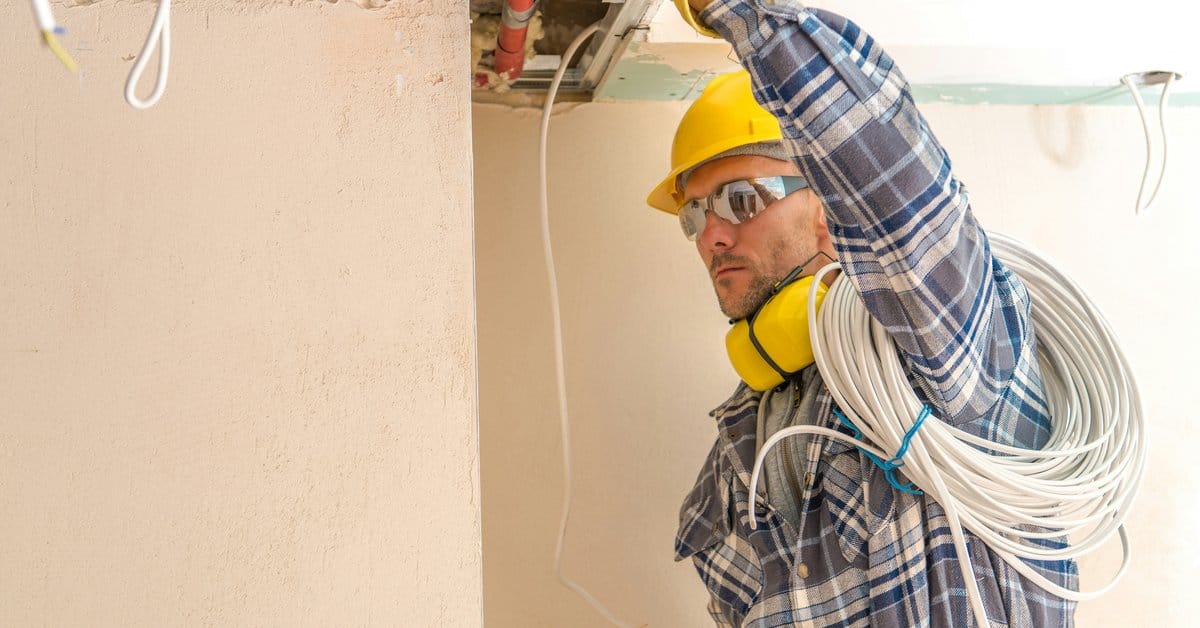
The commercial cabling installation timeline in Dallas is one of the first questions tenants, property managers, and general contractors ask before a project begins. It is also one of the hardest questions to answer accurately without knowing the project specifics. Commercial cabling installation timelines in Dallas vary dramatically based on scope, building type, and coordination requirements — and how early the cabling contractor gets involved.
A commercial cabling installation timeline in Dallas for a 20-drop small office suite is a two-day project. Multi-floor corporate build-outs in Plano or Frisco, for example, run three to four weeks. Large campus deployments across multiple buildings can take two to three months. Therefore, understanding these differences helps you plan your construction schedule, coordinate with other trades, and avoid the timeline mistakes that push cabling into overtime.
The Phases of a Commercial Cabling Installation
A commercial cabling project in Dallas typically moves through four distinct phases. Each phase depends on decisions made in the previous one. Each phase has its own timeline, and each depends on decisions made in the previous phase.
Phase 1: Design and scope. Before pulling cable, the cabling contractor surveys the space, produces a design showing outlet locations and pathway routing, and delivers a written scope. For a standard commercial office, specifically, this phase takes two to five business days. For larger or more complex projects, it may take one to two weeks. However, skipping or rushing this phase is the most common cause of change orders and delays later.
Phase 2: Rough-in. This phase establishes the conduit, J-hooks, and cable sleeves — the pathways that carry cable later. In new construction, rough-in happens before drywall closes. In a tenant improvement, it happens after demolition and before new ceiling tiles go in. Rough-in duration depends on the scope and the number of crews on site. A 100-drop single-floor office typically requires two to four days of rough-in work.
Phase 3: Cable pull and termination. This is the primary installation phase — pulling cable through the pathways, terminating at patch panels and outlets, dressing the telecom room, and labeling everything. For a 100-drop single-floor project, this phase runs three to five days. For larger multi-floor projects, work proceeds floor by floor, and total duration scales with drop count and crew size.
Phase 4: Testing and closeout. Every cable run needs Fluke DSX certification with a Fluke DSX analyzer before the project closes out. Testing, documentation, and as-built delivery add one to two days for most commercial projects. Finally, the contractor delivers the closeout package — test reports, labeled patch panel maps, and as-built drawings — to the client.
Commercial Cabling Installation Timeline in Dallas: Project Size Benchmarks
Specifically, these are realistic timelines for common Dallas commercial project types, assuming a qualified crew and no significant coordination delays.
Small office suite (20 to 50 drops, single floor, no fiber): Three to five business days total from first crew on site to certified closeout. Design and scope should happen before construction starts, adding another two to three days at the front end.
Mid-size office (50 to 150 drops, single floor, fiber backbone to MDF): Seven to twelve business days on site. Multi-floor versions of this scope add two to three days per additional floor.
Large corporate office (150 to 300 drops, multi-floor, structured telecom rooms): Three to four weeks on site. These projects run multiple crews simultaneously and require careful coordination with the general contractor’s schedule.
Multi-building campus or major headquarters (300+ drops, campus fiber backbone, multiple IDFs): Four to ten weeks depending on scope. These are phased projects managed with a formal project schedule and multiple concurrent crews.
These benchmarks assume clean access, no hazardous material remediation, and no significant conflicts with other trades in the ceiling. Any of those factors can extend the timeline.
When Cabling Needs to Happen in a Construction Schedule
This is the most consequential timeline question on any Dallas commercial build-out: when does cabling happen relative to other trades?
In new construction, the answer is straightforward. Rough-in — conduit sleeves, J-hook installation, and telecom room backboard — comes after framing and before drywall. Cable pull and termination follow after HVAC rough-in is complete and before ceiling tiles go in. If cabling happens after ceiling tiles, the project cost increases significantly because tile removal and reinstallation adds labor and often creates damage.
In tenant improvement projects on existing DFW commercial space, however, the timing is more variable. Generally, the cabling contractor needs ceiling access — either open grid or removed tiles — to pull horizontal cable. Therefore, coordinating with the general contractor on ceiling access windows prevents the most common conflict: cabling crew arriving to find tile setters working the same zone.
Additionally, the critical coordination point on any Dallas commercial project is the telecom room. The MDF and IDF locations must be confirmed, framed, and roughed in before the cabling contractor can complete the pathways. Therefore, telecom room location changes after rough-in are expensive. Therefore, confirming room locations early — during the design phase — saves time and money downstream.
What Slows Commercial Cabling Projects Down
Understanding the common causes of timeline delays helps you avoid them. Specifically, these five factors drive most cabling project overruns in Dallas.
Late contractor engagement. The single biggest driver of cabling delays is bringing the cabling contractor in after major design decisions have already been made. When a cabling contractor is engaged during schematic design, they can influence telecom room placement and coordinate with structural and mechanical trades. However, when they are brought in after construction is underway, they work around decisions that may not have accounted for cabling at all.
Ceiling conflicts. In a busy construction schedule, HVAC, fire suppression, electrical, and cabling contractors all work above the ceiling. Without coordination, however, these trades conflict with each other — ductwork blocking cable pathways, conduit interfering with sprinkler runs. Generally, good general contractors manage this coordination explicitly. When it is not managed, cabling crews spend time rerouting rather than pulling cable.
Telecom room issues. A telecom room that is too small, has no dedicated cooling, or lacks proper power often causes delays as the cabling contractor flags issues that must be resolved before termination work can be completed.
Change orders. Outlet relocations after pulling cable, drops added after rough-in, and scope additions mid-project all stretch timelines. In fact, every change order after rough-in takes more time than it would have before cable was pulled.
Testing failures. Cable runs that fail Fluke certification testing must be remediated — re-terminated or re-pulled — before the project can close out. Generally, experienced contractors catch most termination issues during the pull phase rather than at testing. However, difficult conduit routes, bend radius violations, and punch-down errors that go unnoticed can push testing into a second day.
How to Keep Your Dallas Cabling Project on Schedule
Keeping a commercial cabling installation timeline in Dallas on track comes down to a few straightforward practices.
Engage the cabling contractor during pre-construction, not mid-build. Confirm telecom room locations and sizes before drywall. Include the cabling scope in the general contractor’s coordination schedule. This ensures trades don’t conflict above the ceiling. Also, freeze outlet locations before rough-in, or accept the cost of changes afterward. Require certified Fluke testing on every run and review the test report package before signing off.
Our team at Just Cabling provides detailed project schedules on every commercial cabling project across the DFW metroplex. We coordinate directly with general contractors, provide rough-in and pull schedules before work begins, and deliver certified test documentation at closeout. If you are planning a commercial cabling project anywhere across DFW, contact us for a free on-site assessment. We provide a written scope before work begins.
Just Cabling is a Dallas-based structured cabling company serving businesses across the DFW metroplex, including Plano, Frisco, McKinney, Allen, Las Colinas, Irving, and beyond. We specialize in commercial structured cabling, fiber optic installation, telecom room design and buildouts, and network infrastructure for offices, medical facilities, and corporate campuses.